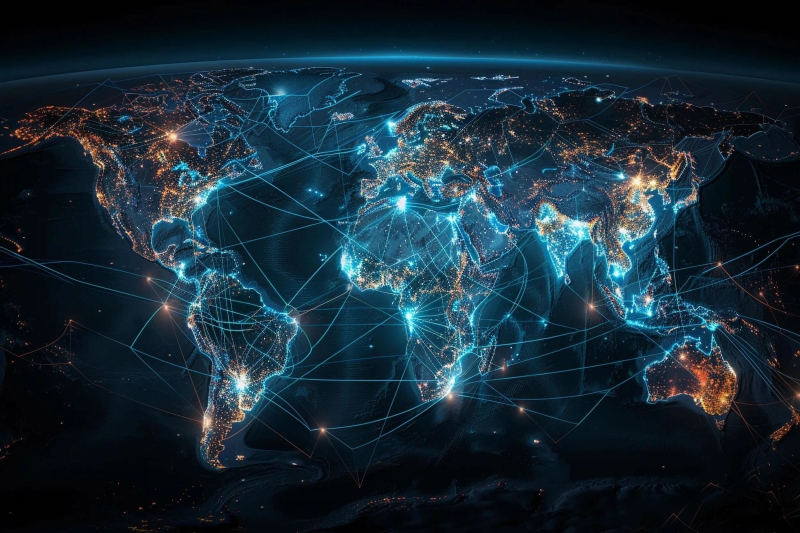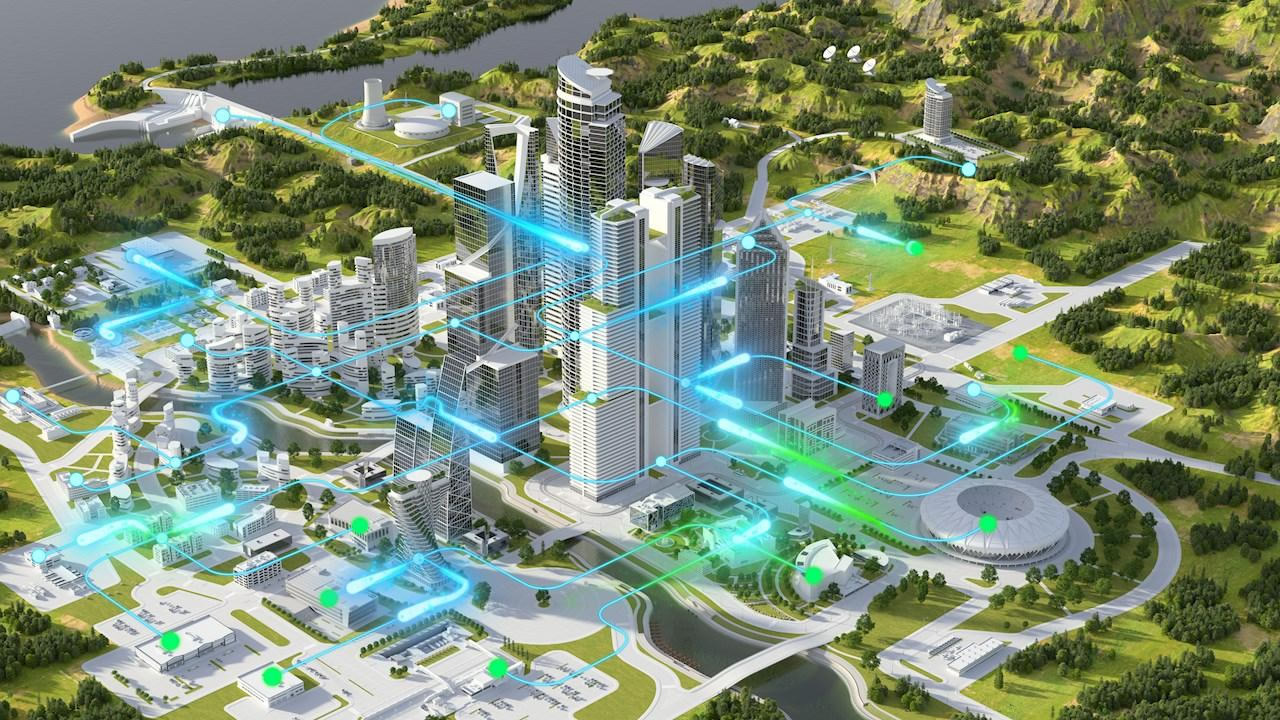
The global energy landscape in 2026 is undergoing a complex transformation.
Unlike previous energy transitions, today’s shift is not a simple replacement of one energy source with another. Instead, the world is moving toward a more diversified energy structure where traditional energy, renewable energy, electrification, and digital technologies coexist.
Energy security, affordability, sustainability, and technological development are becoming equally important factors shaping the future.
The direction of change is clear, but the speed and path will vary across different regions.
1. Traditional Energy Remains an Important Foundation
Despite rapid growth in renewable energy, traditional energy sources such as oil, natural gas, and coal continue to play a significant role in the global economy.
The reasons include:
Existing global infrastructure
Mature supply chains
High energy density
Stable large-scale supply capability
Transportation, manufacturing, and industrial production in many countries still rely heavily on traditional energy.
For developing economies, energy accessibility and affordability remain critical considerations.
Therefore, traditional energy is unlikely to disappear quickly. Instead, it will gradually adapt alongside emerging energy systems.
2. Renewable Energy Continues Its Long-Term Expansion
At the same time, renewable energy is becoming one of the fastest-growing segments of the global energy sector.
Solar, wind, and other renewable technologies continue to benefit from:
Falling technology costs
Improved efficiency
Government support
Growing environmental awareness
Renewable energy is increasingly competitive in many markets and is becoming a key component of future energy planning.
However, challenges remain, including energy storage, grid stability, and regional infrastructure differences.
3. Electrification Is Changing Energy Consumption Patterns
One of the most significant trends in the current energy transition is electrification.
Industries including:
Transportation
Manufacturing
Residential energy use
are gradually moving toward electricity-based systems.
Electric vehicles represent one of the most visible examples of this transformation.
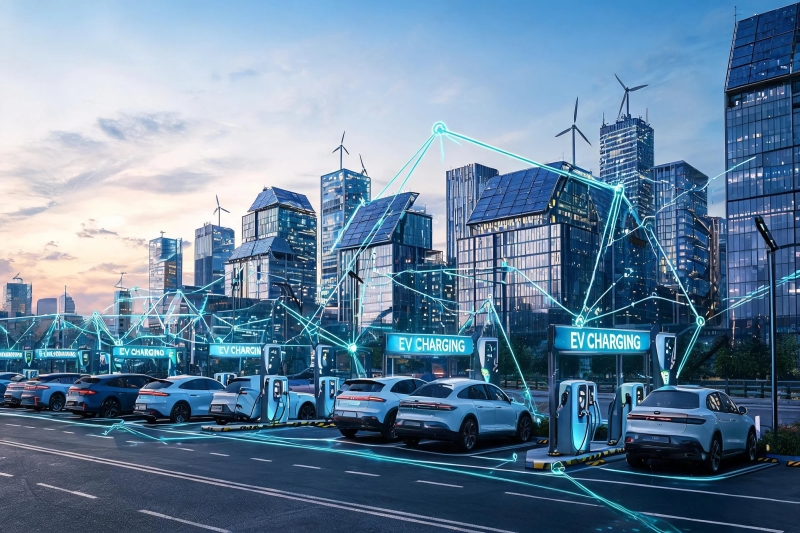
However, EV growth depends not only on vehicle technology but also on supporting infrastructure such as charging networks, power grids, and energy management systems.
4. Energy Security Becomes a Global Priority
Recent global events have highlighted the importance of energy security.
Countries are increasingly focusing on:
Diversifying energy sources
Reducing supply risks
Developing local energy capabilities
Improving energy efficiency
This means future energy strategies will likely balance multiple objectives rather than focusing on a single solution.
5. The Future Is Moving Toward Integrated Energy Systems
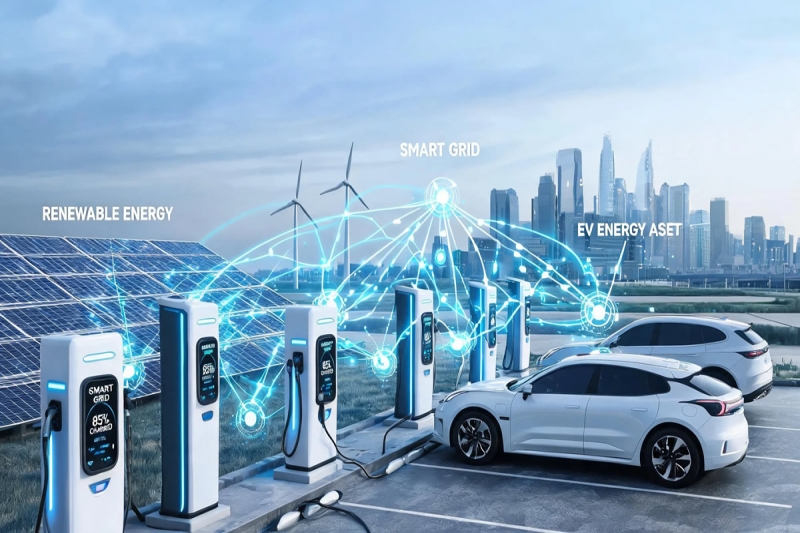
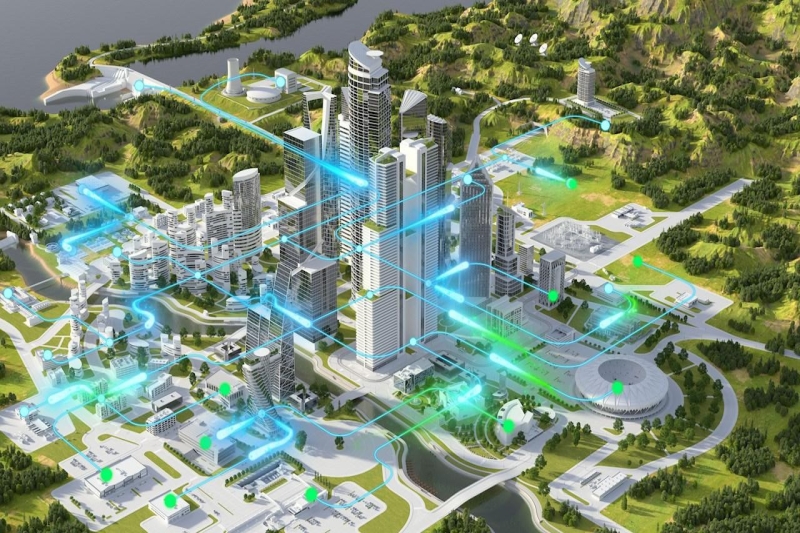
The next stage of energy development will not only involve producing cleaner energy but also managing energy more intelligently.
Future systems will combine:
Renewable generation
Smart grids
Energy storage
Electric mobility
Digital management platforms
The connection between energy production and consumption will become increasingly important.
Charging infrastructure, especially for electric vehicles, will become a key link connecting transportation and the energy network.
6. Regional Differences Will Define the Energy Transition
The pace of energy transformation will vary significantly.
Developed markets may focus more on efficiency improvements and system optimization.
Emerging markets may experience faster growth due to:
Increasing energy demand
Urban development
New infrastructure investment opportunities
Regions such as Latin America, Southeast Asia, and other developing markets may become important areas for future energy infrastructure expansion.
Conclusion: A Gradual but Fundamental Transformation
The current global energy landscape is defined by transition, not replacement.
Traditional energy continues to provide stability, while renewable energy introduces new possibilities.
The future energy system will likely be more diversified, digitalized, and interconnected.
Electric vehicles, charging infrastructure, renewable power, and smart energy networks will play increasingly important roles in shaping how the world produces and consumes energy.
The energy transition is not happening overnight, but the transformation has already begun.

 Jul 25, 2026