For many years, charging stations were viewed simply as supporting facilities for electric vehicles.
However, as global electrification accelerates, the role of charging infrastructure is changing.
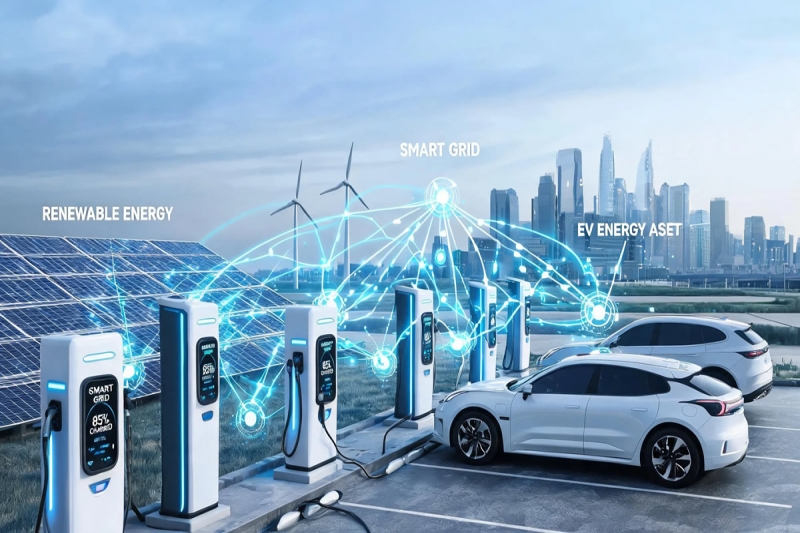
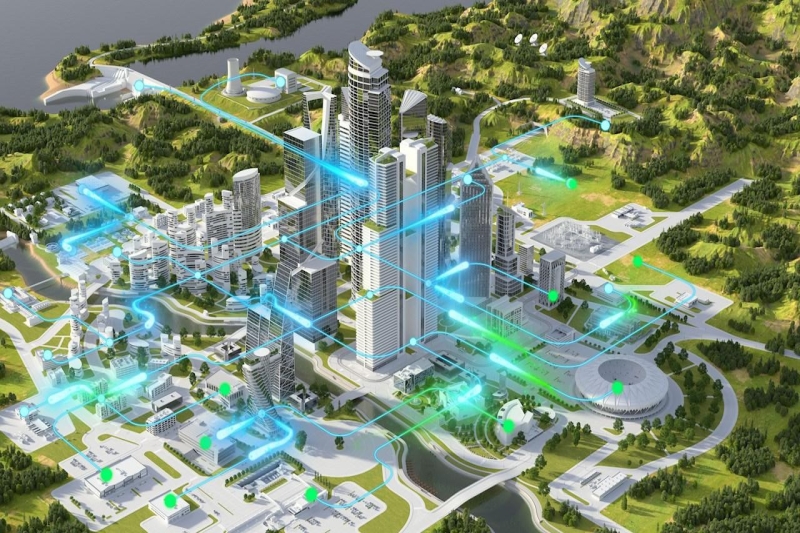
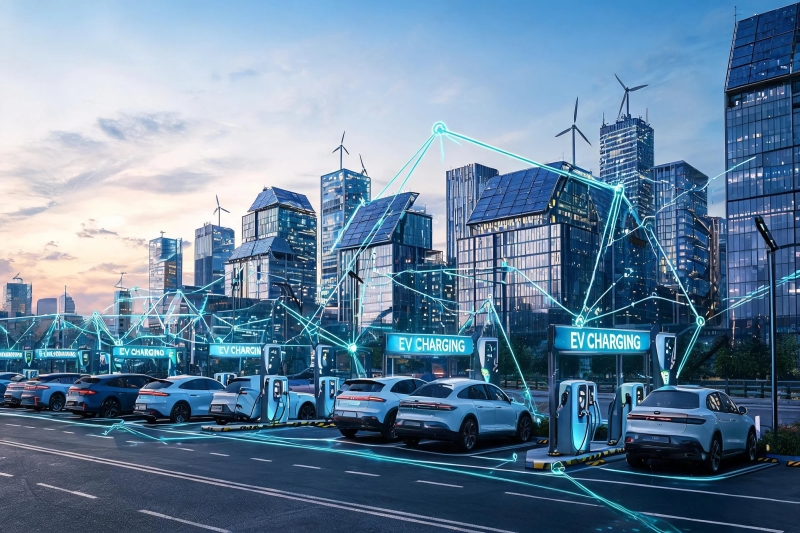
EV charging networks are evolving from individual charging points into interconnected energy systems that link vehicles, electricity grids, digital platforms, and renewable energy.
The future value of charging infrastructure may not only come from providing electricity, but from becoming a key component of the modern energy ecosystem.
1. Electric Vehicles Are Creating a New Energy Demand
The growth of electric vehicles is changing transportation from a fuel-based model into an electricity-based model.
Traditional vehicles depend mainly on centralized fuel distribution networks.
Electric vehicles require:
Charging infrastructure
Power grid support
Digital energy management
Smart scheduling systems
As EV adoption increases, charging infrastructure becomes an essential connection between energy supply and transportation demand.
2. Charging Networks Are Becoming Digital Energy Platforms
A modern charging station is no longer only a power outlet.
Advanced charging networks can integrate:
Real-time charging management
User platforms
Payment systems
Energy monitoring
Load optimization
Through digital technology, operators can better manage electricity demand and improve overall network efficiency.
This creates a shift:
From charging equipment → to intelligent energy platforms
3. The Connection Between EVs and Renewable Energy
Renewable energy introduces new opportunities but also creates new challenges.
Solar and wind power generation can fluctuate depending on weather conditions.
Smart charging systems can help balance electricity demand by:
Charging vehicles during optimal periods
Reducing pressure during peak demand
Supporting renewable energy utilization
In the future, EV charging networks may become an important tool for integrating renewable energy into daily life.
4. Location and Network Effects Create Long-Term Value
Unlike traditional equipment, charging infrastructure gains value through network expansion.
A single charging station has limited impact.
However, a connected network can create advantages through:
More user coverage
Higher utilization
Better operational data
Stronger customer relationships
This network effect is similar to other infrastructure industries where scale improves efficiency and competitiveness.
5. Emerging Markets Provide New Growth Opportunities
While some developed markets already have mature charging ecosystems, many emerging regions are still building their infrastructure foundations.
Markets such as Latin America, Southeast Asia, and other developing regions face:
Growing EV demand
Limited charging availability
Expanding urban populations
These conditions create opportunities for new charging networks to develop alongside market growth.
6. Challenges That Must Be Addressed
Despite strong potential, charging infrastructure development faces several challenges:
Grid Capacity
Large-scale EV adoption requires improvements in electricity networks.
Capital Requirements
Charging infrastructure requires long-term planning and investment.
Utilization Efficiency
The success of charging networks depends on location selection and user demand.
Technology Standards
Different markets require compatible solutions.
These challenges mean that successful charging networks will depend on both technology and operational capabilities.
7. The Future: Charging Infrastructure as Energy Infrastructure
The future of charging infrastructure is closely connected with the broader energy transition.
Charging networks may become:
Transportation infrastructure
Digital energy platforms
Renewable energy integration points
Smart grid participants
As mobility becomes increasingly electric, charging infrastructure will play a fundamental role in connecting energy production with energy consumption.
Conclusion
EV charging infrastructure is moving beyond its traditional role as a vehicle support service.
It is becoming an important part of the future energy ecosystem.
The long-term development of electric mobility will depend not only on better vehicles but also on smarter, wider, and more connected charging networks.
The next generation of energy infrastructure will not only generate power — it will intelligently distribute and manage it.

 Jul 25, 2026